
Understanding the Benefits of Turmeric and Curcumin

Turmeric has long been used in traditional medicine, but curcumin is the magic ingredient in turmeric that is responsible for most of its powerful effects. Knowing how each works and when to use them can help you get the most out of them both.
Difference Between Turmeric and Curcumin
Turmeric is a bright yellow spice obtained from the root of the Curcuma longa plant, commonly used in cooking and traditional medicine. Curcumin, on the other hand, is the main active compound found within turmeric and is responsible for most of its health benefits.
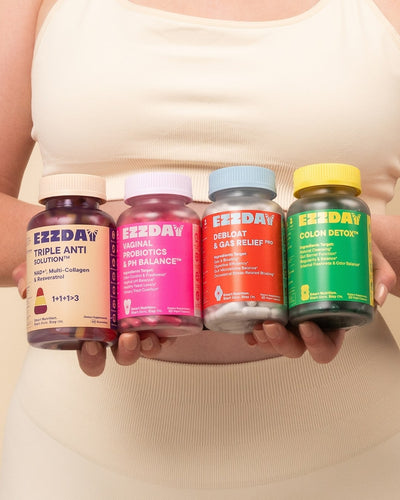
While turmeric contains only about 2 to 8% curcumin by weight, most detox supplements put curcumin in concentrated form to maximize its therapeutic potential.
Benefits of Curcumin and Turmeric
Less Inflammation
Curcumin has powerful anti-inflammatory properties that may reduce swelling and discomfort in the body. It blocks molecules that trigger inflammation at the cellular level.
This makes it especially helpful for managing conditions like arthritis, joint pain, and other inflammatory disorders. Long-term use may help reduce low-grade chronic inflammation linked to disease.

Lower Risk of Chronic Disease
Because of its antioxidant and anti-inflammatory effects, curcumin may lower the risk of chronic diseases such as heart disease and type 2 diabetes.
It helps reduce oxidative stress, a key factor in the development of many age-related conditions. While not a cure, it can be useful to add to your routine to decrease the risks of chronic diseases.
Pain Management
Curcumin may naturally relieve pain by blocking inflammatory pathways.
Studies have shown it can be as effective as some painkillers for managing joint pain, especially in people with osteoarthritis. It is also used to reduce vaginal inflammation, potentially mitigating issues like bacterial vaginosis and yeast infections.
Healthy Skin
Turmeric’s anti-inflammatory and antimicrobial properties may benefit skin conditions like acne and eczema.
It can reduce redness, swelling, and irritation, whether taken orally or applied topically. Curcumin also helps fight oxidative stress, which helps people in achieving a healthier and more youthful-looking skin.
Gut Health
Curcumin helps in improving your gut health by reducing inflammation in the digestive tract.
It may ease symptoms of IBS, ulcerative colitis, and other inflammatory bowel conditions and protect the intestinal lining from damage. Studies show it can also increase the number of beneficial gut bacteria like Bifidobacteria and Lactobacilli, while reducing harmful bacteria in the body.
Development of New Brain Cells
Curcumin has shown potential in promoting the development of new brain cells, also known as neurogenesis, both during development and in adulthood. It may do this by increasing levels of brain-derived neurotrophic factor (BDNF), a key protein that is responsible for neuron growth.
This is why curcumin is considered to provide a therapeutic approach for treating neurodegenerative diseases like Alzheimer's, which involves neuronal loss and cognitive decline.
Helps Manage Depression
Studies suggest curcumin may improve mood by increasing levels of serotonin and dopamine, the brain’s happy chemicals.
It also reduces inflammation in the brain, which is believed to contribute to depression. Some research has found curcumin supplements to be as effective as antidepressants in a few cases.
Delays Aging
Curcumin is believed to have anti-aging properties and may delay the aging process. It achieves this by influencing various cellular and molecular pathways involved in aging.
Who Should Not Take Turmeric?
While turmeric is considered safe, there are a few people who should either avoid it or use it with caution. It is best to ask your doctor before adding curcumin to your diet.
-
Turmeric may worsen symptoms in those with gallstones or bile duct obstruction, as it stimulates bile production.
-
Turmeric can increase the risk of bleeding when taken with anticoagulant medications like aspirin.
-
High doses of turmeric may cause nausea, acid reflux, or an upset stomach, especially in sensitive individuals.
-
Large medicinal doses of curcumin may not be safe during pregnancy. However, small amounts of turmeric in food are often fine, unless told otherwise by your doctor.
-
Turmeric’s blood-thinning effects could interfere with healing, so it is best to stop taking it at least two weeks before if you have surgery.
-
Turmeric may interfere with iron absorption and should be limited if you have low iron levels.

Takeaway
Turmeric offers a broad range of health benefits, but curcumin is the concentrated compound responsible for its most studied effects.
Whether you're trying to manage inflammation, digestive issues, or boost your mood, understanding the difference between turmeric and curcumin helps you choose the right form and dosage.